
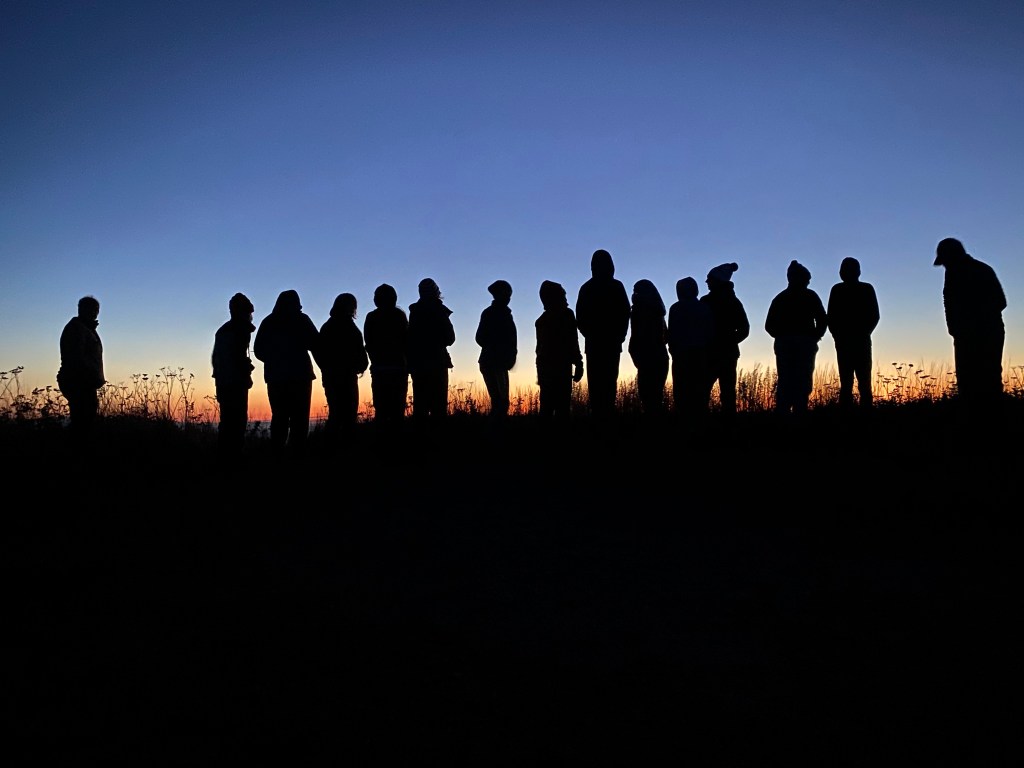
Adventure Education, one of the pillars of the broader philosophy of Experiential Education, is an enduring element of American teaching and learning. At its core, Adventure Ed seeks to place students outside their comfort zones through novel and exciting experiences. It challenges students to overcome social, emotional, and even perceived physical risks with the ultimate goal of personal growth. Adventure Ed allows students to learn about themselves by achieving what might seem too daunting, overly challenging, or even impossible.
The United States has a rich and important history within the field of Adventure Ed. Dating back to the early days of American outdoor leaders, students and teachers have ventured far afield to learn what our world has to teach us. Educators and students explore the natural environment by going beyond both the textbook and campus to become immersed in the lessons that can be gained only through direct and authentic experiences. An important part of each of these experiences is always, and by design, adventure!
Adventure Ed for Social Change…
Adventure Education is not unique to the Unites States, of course. Throughout history, many important schools and accomplished educators have employed this approach. The modern version of Adventure Ed can trace its influence and origins to post WWI Germany.
Following the unimaginable violence of The Great War, soldiers returned to their homes indelibly changed by their experiences. In Germany, many of the returning soldiers were school teachers who were anxious to find quiet normalcy within their classrooms. However, shaken by what they had witnessed in places like the trenches of the Western Front, many of these teachers took the opportunity to rethink education and find new approaches in teaching and inspiring students. It was an opportunity to change the ethos in German education by inspiring German children to be compassionate, community leaders. It was a time for teaching new values through meaningful and authentic experiences. To achieve this, teachers got their students out of the classroom and into the outdoors, to wild spaces, and to visit other communities. They sought adventure and used the associated lessons as metaphors for life.
One such educator was Richard Schirmann. During his time on the Western Front, he was witness to the vicious and near-constant battle charges that seemed to result in nothing more than the loss of life. He was horrified by what he saw in humanity, until one improbable evening when the guns briefly fell silent. The night of the legendary Christmas truce of 1914 allowed soldiers of both sides to briefly lay down their rifles, climb from their muddy trenches, and meet unarmed, in a cratered no man’s land to exchange small gifts and play games of soccer. Following the truce, soldiers on both sides, for a time, refused orders to attack their newfound friends. That brief, yet profound moment convinced Schirmann that world peace might be found through the adventures of intercultural exchange. After the war he led his students on grand bicycle tours throughout Europe, camping in tents when in wild places or arranging for accommodations in school gymnasiums when in town. He encouraged his students to seek out people who were different from themselves, and spend time with them, talk with them, and share a meal with them. His idea is known as the Youth Hostelling movement. St. Louis was an early hub of Youth Hostelling, and if you’ve ever ridden a bicycle in the Moonlight Ramble, you’ve supported the cause.
Maybe the largest organization promoting adventure education in interwar Germany was the Wandervogel movement. Wandervogels (meaning wandering birds) ascribed to a philosophy that promoted love of the outdoors, camping skills, moral leadership, and social justice. They spent their time exploring and adventuring in the wild areas of Germany. They learned the technical skills of camping and survival as well as serving the community. Beyond the core values, one might further recognize the green shorts, khaki shirts, and neckerchiefs that were made popular, and which helped inspire modern scouting.
In 1920, an enterprising educator named Kurt Hahn held the dream of founding a boarding school with the core value of developing students’ character and capacity for leadership through adventure education. The curriculum of the Salem School emphasized physical fitness, camping and sea expeditions, project-based schoolwork, and rescue service. The curriculum was wildly popular for its high adventures in sailing, mountain climbing, and others. However, it was the school’s emphasis on character, values, and social justice that garnered the ire of Germany’s nazi regime. Hahn, true to his teachings, was fiercely anti-fascist and spoke out against Hitler, resulting in his temporary arrest.
Many more educators were also incorporating Adventure Ed. Unfortunately, despite their best efforts to inspire peaceful values to German youth, another world war was inevitable. Hahn left for the United Kingdom to build a new school with the same mission. Schirmann left for the United States to establish American Youth Hostels. Most of the Wandervogel went underground to prepare a resistance to fascism.
Gordonstoun School and Outward Bound…
Hahn realized his dream a second time in the Gordonstoun School. Here he employed the same set of principles as his Salem School – and the outdoor adventures continued in his new and fitting home in rural Scotland. There was no shortage of supportive families – in fact, the British Royal Family chose to send three generations of children to this school, including the Prince of Whales (for those who are fans of The Crown, yes, that school).
At the outbreak of WWII, Hahn’s expertise in outdoor survival skills became useful to Great Britain’s war effort. To that end, he developed a new program – The Outward Bound School. The name is a reference to ships leaving harbor, which was emblematic of his work there. During the Battle of the Atlantic, Hahn took notice of ships that were sunk in battle. He observed that many of the younger, stronger, and more technically trained crew were less likely to survive a sinking compared to many of the older crew. Hahn estimated that physical strength and technical knowledge were not the determining factors. Instead, he found older crew members possessed important “soft skills.” Namely, it was their self-confidence, perseverance, and camaraderie that helped the salty old mariners survive in the worst of conditions. It was Hahn’s goal to teach these soft skills to the younger crew.
Following the war, the curriculum and mission of Outward Bound expanded greatly, becoming a hub of outdoor leadership for all sorts of disciplines in places all around the world. Nowadays Outward Bound offers courses in mountaineering, sea kayaking, white water rafting, dogsledding and many others. Modern Outward Bound courses, students learn technical skills like rock climbing and rappelling, navigating open water, and safety and survival skills. Of course, this class also stresses those “soft skills” to persevere through possibly the most challenging experience — solo night.
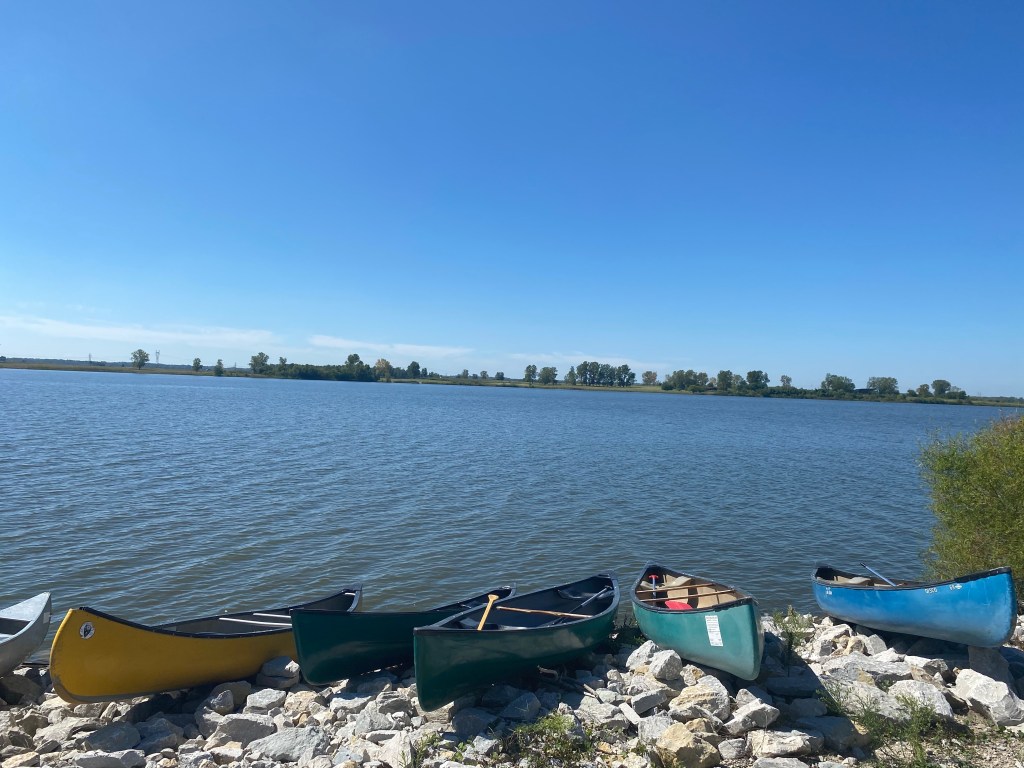
In the wake of WWI, several German educators attempted to change the world through the power of adventure education. Though they could not prevent a second world war, they did inspire a movement that lives on in various manifestations. American schools that employ Adventure Education are the beneficiary of the ideas and dreams of countless adventure educators who have preceded us. We truly stand on the shoulders of giants.

 Gentleman Afield