
Intro :: The hunting months can be chilly. By the time we begin our formal season in earnest, we are well into the winter months. The hilltops of our hunt fixtures can be windy and cold and the valleys greasy with mud and ice. Creeks are often frozen over. Yet we take to the field anyway. We do this because we love our sport. But just because the weather can be less than ideal doesn’t mean we should suffer. How do we stay warm and comfortable for our long, cold hours in the saddle? The uniformity of our hunt attire does not preclude us from making adaptations or including augmentations that keep us warm and comfortable. The Bridlespur masters want you to have a great time. Here are some ideas to make the best of our colder hunts…
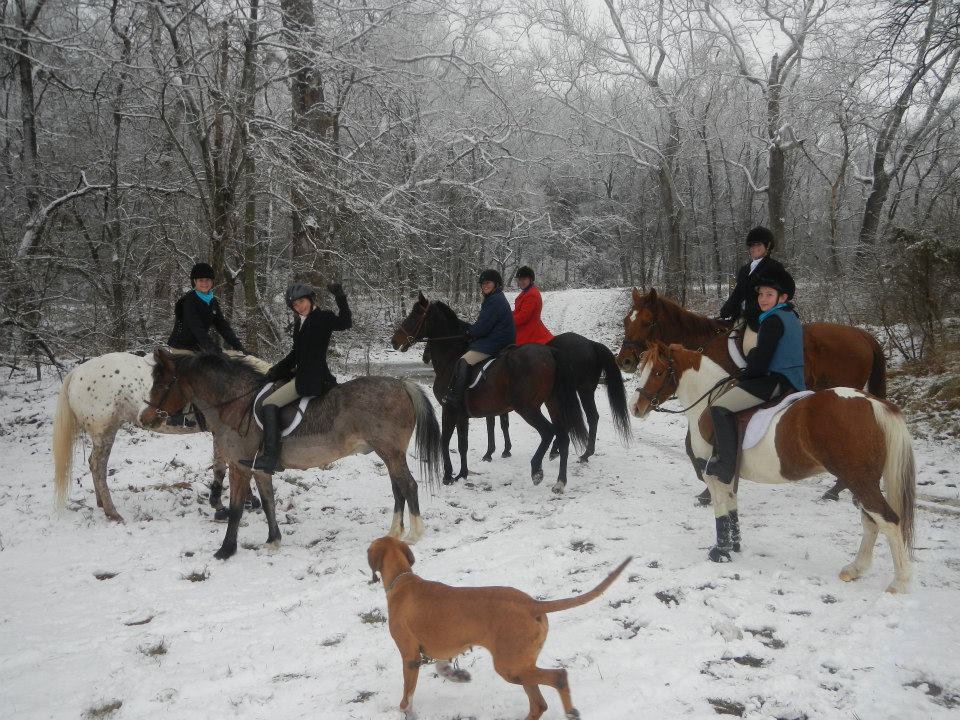
Formal Dress :: Traditional hunting attire was designed to keep us warm in the elements. Though our current style originates with the English foxhunts that rode out over three hundred years ago, it is still quite serviceable. Your helmet will keep your head warm, especially if you wear the more traditional velvet style, sans vents. A hunt coat is different than a show coat. While they may appear similar from a distance, a true hunt coat should be much heavier than a show coat. You may hear some people refer to the cloth as Melton wool or boiled wool, which is designed to be rugged, repel the wind and the wet, and above all, keep you warm. Breeches and jodhpurs need not be a thin summer weight. Some can be quite heavy and even include fleece insulation on the inside. If you can get your hands on a vintage pair, they can be nearly is thick as your coat! You may learn more about Melton wool HERE and attire for hunting at the Bridlespur HERE.


Base Layers :: Base layers (or, if you prefer, long underwear) are what you wear against your skin. Think of this layer as the thermostat that you may set at the beginning of your day, as this is where you have the best opportunity to regulate your insulation to the day’s weather. On days predicted to be colder, you may wear a heavier set, even layering multiple garments top and bottom. On days with warmer predictions, you may choose to wear less. Here, the fabric of your garment is as important as the fabric of your hunt coat. Your base layer should be a synthetic fabric like nylon or polyester. Wool works too if you don’t find it too itchy. I rather like merino wool as a base layer. Cotton is never a good choice. Though it is not itchy and is comfortable when you don it in the relative comfort in your home, it will leave you unprotected in the wind and rigors of the hunt field. More on that later. You may learn more about layering your clothing HERE.
Socks :: The founder of modern outdoor education Paul Petzoldt revolutionized the way the world thinks about dressing inclement weather. He also changed the way the US military dressed for battle. He knew that fabric made all the difference in keeping people comfortable and healthy in inhospitable elements. To prove his point he challenged the US military to march two columns of soldiers over a great distance and in cold, nasty weather. The first was issued thick wool socks, and the second cotton (again, more on that later). The former column reached their destination mostly in good order. The second was laid low by podiatric maladies. The fabric within their footwear made all the difference.
Your toes will be the first things to get cold when you are out in the elements. On those breezy days when the temps dip below forty, your cheeks will be red but your feet will be numb. A thin pair of socks with little insulative power can make you miserable, or worse compromise your balance in the saddle. And avoid cotton at all costs, because…

…Cotton Kills :: This sounds extreme, but in the world of outdoor sports like mountain climbing, it’s repeated often and for good reason. The fact is, cotton is not a great fabric for outdoor activities. It has very poor insulative properties compared to wool and synthetics like nylon or polyester. It also absorbs and holds moisture which conducts heat away from your body. You are best to avoid cotton clothing where possible and stick with wool and synthetics in the very important areas like socks and base layers. You may learn more HERE.
Insulative Layers :: On colder days you may wish to add an extra insulative layer beneath your hunt coat. A fleece vest or jacket can do wonders and a light puffer vest will keep you warm on even the coldest days. Keep in mind down (as opposed to a synthetic fill) is warm only when dry and will lose all of its insulative properties in a rain. Since we hunt in the wet, you may be better off with a synthetic fill. You may learn more HERE.

Heat Sources :: This is something that was certainly not carried three hundred years ago. Hand warmers in your pockets and in your boots (if they fit) can be a game changer in keeping you warm.


fit in your boots
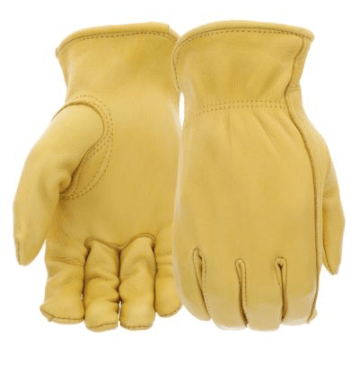
Gloves :: They are a must in cold weather. But what is more important – dexterity with the reins or warmth? Well, both. For your safety, you must wear gloves that allow you a positive contact with the reins. Most of us have worn the traditional crochet riding gloves, which offer great dexterity. However they offer little warmth. Insulated deer skin gloves will offer much more warmth ban can be a little clumsy – especially with double reins. We recommend you try on different styles and find what is comfortable for you.

Parka :: On the coldest of the cold days you will have the opportunity to wear parkas. A parka can be any design with which you are comfortable. It is important, however, that is a subdued color like black or dark blue.
Budgeting and Thrift :: You are not to take any of these recommendations as an excuse to spend extravagantly. Fox hunting is not the sport of kings. Our sport is defined only by our passion for hounds, horses, conservation, and the camaraderie that unites us. What impresses us most is learning the names of the hounds, not spending the most on your tack and attire. Do not expect to purchase all the desirable tack and attire right away. Buy used. Don’t turn your nose up at hand – me – downs. Make do with what works until you find your ideal kit.
In Summary :: Dress smartly and dress warmly. Layer your clothing to match the elements. Stay away from cotton. Don’t break your bank. Tally ho!

 Gentleman Afield